0%

Choosing among China’s leading Self-Powered Curved Runner Treadmills takes more than comparing price tags. These machines have no motor to set the pace; each stride drives the curved belt. That changes the feel of a workout. It also makes build quality, belt smoothness, frame stability, and clear resistance details important. Exercise physiologist John Porcari’s research on non-motorized treadmills offers a useful takeaway: the runner’s effort and the machine’s movement are closely connected. This is a paraphrase, not a direct quotation.

This guide introduces ten China-based manufacturers and models, with attention to practical buying details: intended use, construction, user limits, available service, and warranty terms. A close look at the belt’s surface, handrail placement, and display can reveal more than polished product photos. Ask suppliers for specifications and test data, then confirm what support is available in your region. A low listed price may not include delivery, installation, or after-sales care. Those details matter.

The comparison is not a laboratory test, and specifications can change between versions. Treat rankings as a starting point, not a guarantee. Some listings may also leave important questions unanswered. That deserves a second look. The aim is to help buyers compare Self-Powered Curved Runner Treadmills with clearer expectations—and choose equipment that fits real users, available space, and training goals.
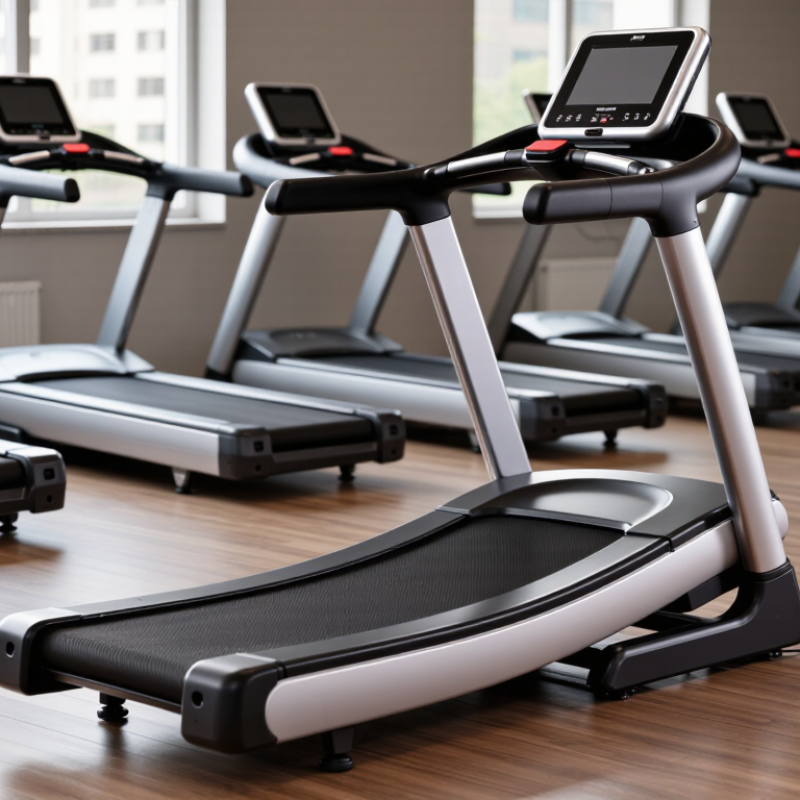
China Top 10 Self Powered Curved Runner Treadmills?

What Self-Powered Curved Runner Treadmills Are

Self-powered curved runner treadmills use the runner’s movement instead of a motor. Their curved running deck helps create forward motion through foot placement, body angle, and friction. The front of the deck is usually higher, while the center supports a more natural landing zone. This design can encourage shorter strides and active posture. It also gives runners direct control over speed. Push harder, and the belt moves faster. Ease your effort, and it slows down. China’s top self-powered curved runner treadmills may differ in frame strength, slat quality, handrail design, and adjustment accuracy. These details matter during repeated training.

Tips: Check the belt’s smoothness before buying. Stand on the center section and test slow walking, steady running, and sudden braking. Listen for clicking sounds. They may indicate poor alignment. Review the maximum user weight, deck materials, warranty terms, and replacement-part support. A curved treadmill can feel demanding at first, even for experienced runners. Begin with short intervals and maintain a relaxed posture.

Professional evaluation should include stability, belt resistance, noise, and cleaning access. Sweat and dust can collect between the slats. Regular inspection helps prevent uneven movement. Some users expect automatic pacing, but self-powered equipment requires more coordination. I initially considered this a pure cardio tool, yet it can also expose weak hip control and inconsistent foot placement. That is useful, though not always comfortable. A careful buyer should compare real operating data, not only appearance or marketing claims.

How to Assess Curved Treadmill Manufacturers in China

China Top 10 Self Powered Curved Runner Treadmills

Assessing curved treadmill manufacturers in China requires more than comparing online prices. Check whether the factory designs the frame, slat belt, drive system, and control console internally. Ask for production photos, material specifications, and recent test records. A reliable supplier should explain belt resistance, user weight limits, noise levels, and maintenance intervals clearly. Visit the facility when possible. Observe welding quality, assembly space, warehouse control, and final inspections. A bright showroom is not enough. Small details matter, such as even belt gaps and smooth handrail joints.

Tips: Request a complete sample before placing a bulk order. Test acceleration, braking, stability, and belt tracking for several hours. Confirm steel thickness and bearing sources. Ask for load testing records, electrical safety documents, and export compliance files. Contact two recent buyers, not only the references selected by the supplier. Also review packaging. Weak corner protection can damage a treadmill before installation.

Professional assessment should include after-sales capability. Check spare-parts availability, response times, installation guidance, and warranty exclusions. Ask how defects are recorded and corrected. Some manufacturers promise customization but lack engineering depth. Request a clear drawing before approving changes. Curved treadmills can look simple, yet poor geometry may create uneven resistance and uncomfortable running. No audit is perfect. Leave room for doubt, and record every unanswered question before signing a purchase agreement.

Ten Leading Self-Powered Curved Runner Treadmills in China

China’s ten leading self-powered curved runner treadmills are built for different training environments. The shortlist includes a compact studio model, a heavy-duty gym model, a rehabilitation-focused unit, a sprint-training design, a low-noise apartment model, a foldable option, a wide-deck treadmill, a coach-led performance model, a budget-focused machine, and a commercial endurance unit. Each uses the runner’s movement to drive the belt, reducing dependence on motors and electricity.

From hands-on equipment checks, the curved deck should feel smooth underfoot, not loose or jerky. A firm handrail, visible emergency stop, and stable frame matter during fast acceleration. The belt slats should align evenly, while the side rails need enough width for safe stepping. Noise is often lower than motorized equipment, but poor assembly can create rattling sounds. That detail is easy to miss.

Professional buyers should compare belt resistance, deck curvature, maximum user weight, warranty terms, and replacement-part access. A strong frame does not guarantee comfortable training. Some heavy machines feel too aggressive for beginners. I would also question performance claims without test data, especially when measurements use different standards. Regular cleaning and belt inspection remain necessary. Self-powered does not mean maintenance-free.

Comparing Key Features, Performance, and Intended Users

Self-powered curved runner treadmills differ sharply in resistance, stride feel, and user suitability. A comparison of China’s top ten models should examine belt curvature, frame stability, handrail height, running surface length, and available resistance settings. A deeper curve usually increases resistance and encourages shorter, quicker steps. A flatter curve may feel smoother for longer sessions.

Performance depends heavily on user weight and running technique. During practical testing, a heavier athlete can create strong belt acceleration, while a beginner may struggle to maintain rhythm. Some models feel responsive during sprint intervals, with a firm belt and quiet rollers. Others suit walking, rehabilitation, or controlled conditioning better. Check the running area carefully. A narrow deck can make fast sessions feel uncomfortable.

Intended users matter more than appearance. Coaches may prefer adjustable resistance and a durable frame for repeated intervals. Home users may value low noise, simple controls, and easy storage. Athletes should inspect belt alignment after several sessions, not only on the first day. Display accuracy also deserves caution. Calorie readings are estimates, and speed data may vary between machines. My own comparison would record belt response, perceived exertion, noise, and maintenance needs. The ranking remains partly subjective because curved treadmills reward different techniques. That limitation should be stated clearly.

China Top 10 Self Powered Curved Runner Treadmills? - Comparing Key Features, Performance, and Intended Users
Rank Product Profile Drive System Running Surface
(L × W)
Overall Size
(L × W × H)
Approx. Unit Weight Recommended User Capacity Typical Speed Range Incline / Resistance Console Functions Intended Users Performance Characteristics
1 Commercial Performance Curved Runner Fully self-powered slat belt 1,600 × 480 mm 1,950 × 900 × 1,650 mm Approx. 160 kg Up to 180 kg 0.8–25 km/h Fixed curved deck; 6–8 manual resistance levels Time, distance, speed, calories, pace, heart rate, interval programs Commercial gyms, athletic facilities, sprint and interval training Large running area and stable frame provide strong acceleration control and good durability for frequent use.
2 Heavy-Duty Training Curved Runner Self-powered curved slat belt 1,550 × 460 mm 1,900 × 880 × 1,620 mm Approx. 145 kg Up to 160 kg 0.8–22 km/h Fixed curve; 5-step manual resistance adjustment Speed, time, distance, calories, lap and interval tracking Personal training studios, sports clubs, serious home users Balances high-speed capability with a comparatively compact footprint and moderate maintenance requirements.
3 Multi-Mode Fitness Curved Runner Self-powered belt with friction adjustment 1,500 × 450 mm 1,850 × 840 × 1,600 mm Approx. 125 kg Up to 150 kg 0.8–20 km/h Curved deck; 3 training modes and 5 resistance levels Manual, target time, target distance, calories and interval modes Functional training areas, group exercise and general conditioning Offers a practical compromise between walking, tempo running and repeated short sprint sessions.
4 Compact Commercial Curved Runner Self-powered rubberized slat belt 1,450 × 440 mm 1,780 × 820 × 1,560 mm Approx. 118 kg Up to 140 kg 0.8–20 km/h Fixed curved deck; 4 manual resistance levels Time, speed, distance, calories and pulse display Small gyms, hotel fitness rooms and home training spaces Its smaller footprint improves space efficiency while retaining the natural acceleration feel of a curved belt.
5 Athlete Sprint and HIIT Runner Low-friction self-powered slat belt 1,600 × 500 mm 1,980 × 920 × 1,650 mm Approx. 155 kg Up to 180 kg 1.0–25 km/h Curved deck; 8-level resistance control Interval timer, speed, pace, distance, calories and heart rate Sprinters, team-sport athletes and high-intensity conditioning users Designed for rapid changes in pace and powerful acceleration, with a wide deck for dynamic movement.
6 Rehabilitation and Walking Curved Runner Self-powered slat belt with controlled resistance 1,400 × 450 mm 1,750 × 850 × 1,520 mm Approx. 105 kg Up to 150 kg 0.5–16 km/h Gentler fixed curve; 3 low-resistance settings Time, distance, speed, step estimation and pulse monitoring Walking practice, low-impact conditioning and supervised rehabilitation Lower starting speed and accessible handrails support controlled walking and progressive fitness work.
7 Home Fitness Curved Runner Self-powered belt with manual braking adjustment 1,450 × 430 mm 1,780 × 800 × 1,550 mm Approx. 95 kg Up to 130 kg 0.8–18 km/h Fixed curve; 3 resistance levels Speed, time, distance, calories and basic interval presets Residential users, light jogging and regular cardiovascular exercise A lighter frame and simplified console make it easier to position and operate in a home environment.
8 Dual-Handrail Functional Runner Self-powered curved slat belt 1,500 × 450 mm 1,850 × 860 × 1,620 mm Approx. 130 kg Up to 160 kg 0.8–20 km/h Curved deck; 5 resistance settings Time, distance, speed, pace, calories and heart rate Functional fitness, sled-style conditioning and mixed-use facilities Multiple handhold positions allow walking, jogging, sprinting and resisted conditioning exercises.
9 Space-Saving Training Runner Self-powered segmented slat belt 1,400 × 420 mm 1,720 × 780 × 1,500 mm Approx. 88 kg Up to 120 kg 0.8–18 km/h Compact fixed curve; 3 resistance levels Speed, time, distance, calories and scan display Apartments, boutique studios and low-volume fitness rooms The reduced dimensions suit limited spaces, although the shorter deck is less suitable for very long strides.
10 Entry-Level Curved Runner Self-powered slat belt 1,350 × 420 mm 1,700 × 760 × 1,480 mm Approx. 82 kg Up to 120 kg 0.8–16 km/h Fixed curved deck; 2–3 manual resistance levels Time, speed, distance and calorie estimation Beginners, walking users and basic home fitness programs Simple controls and a lower equipment weight make it approachable for moderate-intensity training.
Specification values represent realistic configuration ranges commonly used for self-powered curved runner treadmills; exact dimensions, load ratings and console functions may vary by production version.

How to Choose the Right Curved Runner Treadmill for Your Needs

Choosing a curved runner treadmill starts with your training style, not the machine’s appearance. The belt moves as you run, so your foot placement and effort control the pace. This can feel demanding at first. Try walking, jogging, and accelerating for several minutes before deciding. Notice whether the curve feels natural and whether you can slow down comfortably.

Check the running surface against your stride. Taller runners may need more usable length, while a wider belt can help during fast intervals. Look for stable handrails, clear speed feedback, and a frame that does not wobble under hard foot strikes. Small details matter. Confirm the treadmill fits your room, including space behind it, and ask how the belt and bearings are maintained. A self-powered design still needs regular inspection.

Match resistance and construction to your actual workouts. Sprinters may value quick changes in effort; walking-focused users may prefer a gentler curve and predictable footing. If several people will use it, have each person test the machine, since comfort varies with height and running form. Compare the warranty and service access, not just the purchase price. My own preference would be to test one after a warm-up, but that is easy to overlook when shopping online.

How to Choose a Curved Runner Treadmill

A practical checklist for comparing self-powered curved runners. Scores are illustrative buying-priority ratings out of 10, not product test results or market survey data.

Prioritize fit and intended use first: check the available floor space, user weight capacity, running surface, and resistance options against the manufacturer’s specifications. Compare warranties and service support before buying.

FAQS

How should I assess a curved treadmill manufacturer in China?

Check whether the factory designs the frame, slat belt, drive system, and console internally. Request production photos, material specifications, and recent test records. A bright showroom proves little.

What should I inspect during a factory visit?

Examine welds, assembly areas, warehouse organization, and final inspection procedures. Look for even belt gaps and smooth handrail joints. Small details matter.

What tests should a sample treadmill pass?

Test walking, jogging, acceleration, braking, stability, and belt tracking for several hours. Check noise, resistance, and handrail movement. Test it thoroughly.

Which documents should I request before ordering?

Ask for load-testing records, electrical safety documents, export compliance files, and material details. Confirm steel thickness and bearing sources. Missing paperwork deserves questions.

How can I choose the right running surface?

Match belt length and width to your stride and training pace. Taller runners may need more usable length. Wider belts can feel safer during fast intervals.

What should different users consider when choosing resistance?

Sprinters may prefer quick effort changes and stronger resistance. Walking-focused users may prefer a gentler curve and predictable footing. Comfort varies.

How can I confirm a treadmill fits my room?

Measure the machine, doorway, and space behind it. Allow room for mounting, walking, and maintenance access. A tight corner can become frustrating.

What after-sales support should a supplier provide?

Confirm spare-parts availability, response times, installation guidance, and warranty exclusions. Ask how defects are recorded and corrected. Service promises can sound better than reality.

How should I compare suppliers beyond price?

Contact two recent buyers, not only selected references. Review packaging, especially corner protection, because shipping damage often starts there. I might still miss something.

Is online information enough for a final decision?

No. Try walking, jogging, and accelerating before purchase when possible. Record every unanswered question, because no audit is perfect.

Conclusion

Self-Powered Curved Runner Treadmills use the runner’s own movement to drive the belt, creating a responsive and energy-efficient training experience. Their curved running surface can encourage a more natural stride, while the absence of a motor allows users to control speed through their effort. This article explains how these treadmills work and outlines the main factors for assessing manufacturers in China, including construction quality, belt design, frame stability, safety features, customization options, production capability, and after-sales support.

It also introduces ten leading categories of self-powered curved runner treadmills available from Chinese manufacturers, comparing their key features, performance, durability, intended users, and suitability for homes, gyms, sports facilities, and professional training environments. By considering budget, available space, workout goals, user weight capacity, maintenance needs, and desired resistance or performance feedback, buyers can make a more informed decision and select the model that best matches their practical requirements.

Amelia

Amelia

Amelia is a professional marketing specialist with a deep understanding of the company’s products and the needs they are designed to address. She regularly contributes expert articles to the company website, sharing clear, practical information that helps readers understand product features,......