0%

Multi-Station Cable Jungle Equipment has become a practical answer to modern strength-training demands. It combines several cable stations within one structural frame. Users can perform pulldowns, rows, presses, curls, and rotational movements in a compact area. The design resembles a steel training island, with adjustable pulleys, weight stacks, handles, and multiple exercise bays. Some systems also include pull-up bars, landmine attachments, or storage posts.

Its growing relevance reflects broader industry trends. Grand View Research estimated the global fitness equipment market at approximately US$13.6 billion in 2023. The report also projected continued growth through 2030, supported by commercial gyms and home training. The American College of Sports Medicine has consistently ranked strength training among major fitness trends. Its research supports resistance exercise for muscular strength, function, and long-term health. These findings explain why cable systems remain visible in clubs, hotels, rehabilitation spaces, and performance centers.

Still, more stations do not guarantee better training. That assumption needs challenging. Equipment value depends on frame stability, pulley alignment, cable travel, adjustment speed, and user safety. The Health & Fitness Association’s industry reporting also shows strong demand for versatile facilities, but demand alone cannot validate every machine. A well-designed Multi-Station Cable Jungle Equipment should support different body sizes and training goals. It should also provide clear load labels, secure attachments, smooth movement, and maintainable components. This guide examines how the equipment works, where it fits, and what buyers should inspect before installation. Real-world details matter: crowded walkways, noisy weight stacks, and poorly positioned handles can change the user experience completely.
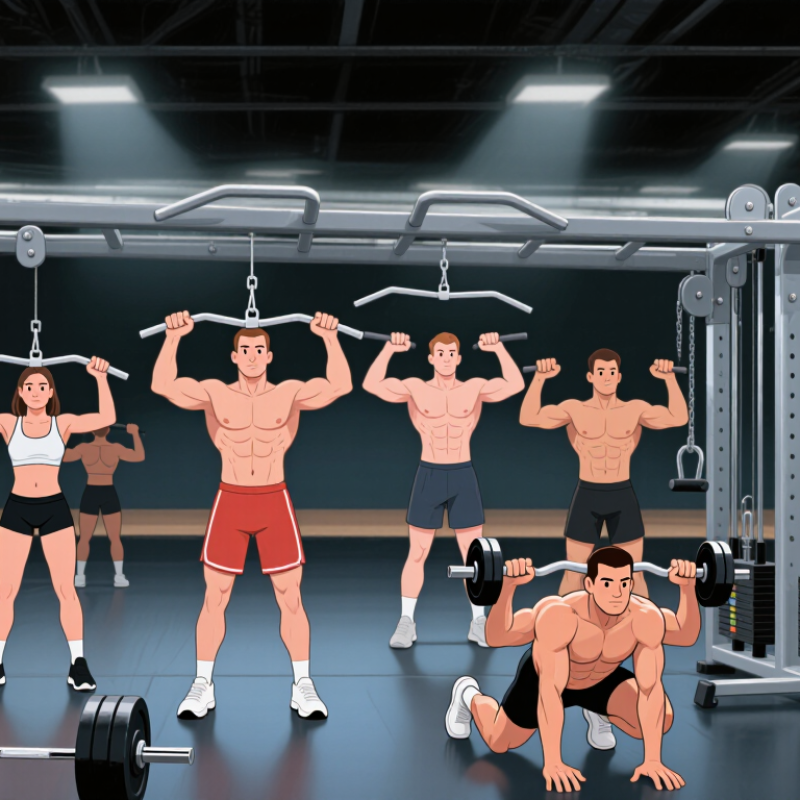
What Is Multi Station Cable Jungle Equipment?

What Is Multi-Station Cable Jungle Equipment?

Multi-station cable jungle equipment is a shared strength-training system with several adjustable cable stations in one frame. Each station may support exercises such as rows, presses, pulldowns, squats, and cable rotations. Its independent pulleys let users train from different angles. The setup also saves floor space in busy facilities.

The ACSM Worldwide Survey of Fitness Trends 2024 ranked traditional strength training fifth among global fitness trends. This finding supports the growing need for practical resistance-training areas. The World Health Organization’s Global Status Report on Physical Activity 2022 estimates that 31% of adults worldwide were insufficiently active in 2022. Multi-station cable equipment can help coaches offer varied, accessible resistance exercises. It suits beginners, athletes, and small-group sessions.

Good layout still matters. Leave clear walking space between stations. Check cable alignment, locking pins, handles, and upholstery before use. A smooth pulley is useful. Poor adjustment is not. In practical gym settings, users often copy movements without controlling the return phase. That habit reduces training quality and may increase strain. Coaches should demonstrate posture, load selection, and range of motion. The equipment is versatile, but it is not automatically safer or better. A 2024 review of facility design might value density, yet overcrowding can weaken supervision. That trade-off deserves more attention. Reports provide direction, but daily observation should guide the final layout.

What Is Multi-Station Cable Jungle Equipment?

A multi-station cable jungle combines several strength-training zones in one frame. The chart shows the typical number of functional training areas found in a standard configuration, including adjustable cable columns, pull-up, pulldown, and rowing stations.

Adjustable cable columns provide the widest exercise variety because pulley height and resistance direction can be changed for presses, rows, flyes, raises, curls, triceps movements, and rotational exercises. Actual configurations vary by equipment design.

How Multi-Station Cable Jungle Systems Are Structured

A multi-station cable jungle system is built around a rigid frame that supports several training positions. Vertical uprights hold the main pulleys, cable routes, and attachment points. Horizontal beams connect these uprights and help distribute loads across the structure. Each station usually serves a different movement, such as pulling, pressing, rowing, or rotational training.

Small movement matters.

The cable path is the system’s working core. A handle connects to a steel cable, which travels over pulleys before reaching a weight stack or resistance module. Adjustable pulleys change the cable height and pulling direction. This allows users of different heights to train with better alignment. Weight stacks often move inside guarded columns, while selector pins control resistance in measured steps. Frames may also include pull-up bars, storage pegs, and anchor points for straps.

In practical installations, spacing deserves careful attention. I have found that a crowded layout can make a strong system feel awkward and unsafe. Users need clear paths between stations, especially when cables move quickly. The frame should sit level, with secure floor anchors and evenly tensioned cables. Inspect pulleys, bolts, carabiners, and cable coatings regularly. A minor fray is not harmless. It may indicate hidden wear. Some designs look efficient on paper, yet daily traffic can expose poor access or blocked adjustments. That is where an honest site review becomes more valuable than a perfect drawing.

Key Training Stations and Their Functions

A multi station cable jungle combines several training points on one frame. Its value comes from station variety, not visual size. A typical setup may include adjustable pulleys, a high pulley, a low row point, chin-up handles, and a central pull-up frame. Each station changes the line of resistance and supports different movement patterns.

The adjustable pulley suits chest presses, cable rows, face pulls, and rotational exercises. Users can set the handle height and load for controlled, joint-friendly movement. A low pulley supports seated rows, curls, and split-stance pulls. The high pulley works well for lat pulldowns, triceps extensions, and half-kneeling exercises. The pull-up station trains vertical pulling and grip strength. Small details matter. A smooth carriage, clear adjustment marks, and stable footplates improve confidence during busy sessions.

The World Health Organization reports that about 31% of adults worldwide do not meet recommended activity levels. Its guidelines advise muscle-strengthening activity on at least two days weekly. The American College of Sports Medicine’s 2024 worldwide survey also placed traditional strength training among major fitness trends. These findings support practical resistance-training access, but equipment alone does not guarantee results. Poor cable height can alter shoulder mechanics. Excessive load often replaces controlled movement. I still see users rushing between stations, which reduces training quality. A short demonstration and sensible progression may matter more than adding another attachment.

Benefits and Limitations of Multi-Station Cable Equipment

What Is Multi Station Cable Jungle Equipment?

Benefits and Limitations of Multi-Station Cable Equipment

A multi-station cable jungle is a strength-training frame with several adjustable cable points. It allows multiple users to train different muscle groups at once. Each person can choose a handle, height, and resistance level. This design saves floor space in busy gyms. It also reduces waiting between exercises.

In practical use, the main benefit is training flexibility. Users can perform rows, presses, pulldowns, rotations, and controlled isolation movements. Cable resistance stays relatively smooth through many movement paths. That can help beginners learn control. It also gives experienced lifters more exercise variations. Some supervised rehabilitation programs may use lighter cable settings. However, results still depend on proper instruction and individual ability.

The limitations are easy to underestimate. The frame needs accurate installation and regular inspection. Poor alignment can create noise, uneven resistance, or unnecessary wear. Weight stacks may not satisfy users seeking very heavy loading. Free weights can feel more suitable for certain compound movements. The equipment also needs clear walkways around every station. Small rooms may become crowded quickly. New users may struggle with cable adjustments. I have sometimes seen people select too much weight. Their movement becomes shorter and less controlled. Pulleys, cables, and locking pins gradually wear. Small maintenance issues should not be ignored.

How to Choose and Use a Cable Jungle System Safely

A multi-station cable jungle combines several adjustable cable exercises in one frame. Choosing safely starts with the room, users, and intended training. Measure ceiling height, walking clearance, and floor strength before ordering equipment. Leave enough space for a fully extended handle. Crowded stations invite collisions.

Check the frame’s rated capacity, anchor points, pulley construction, and adjustment range. Stations should move smoothly without grinding or sudden slack. A visible safety label helps, but it cannot replace inspection. Ask a qualified installer to verify anchoring when the structure is heavy or wall-mounted.

In my experience, overlooked ceiling clearance causes more trouble than complicated exercise plans. That detail is easy to miss.

Using the system safely requires a short inspection before every session. Look for frayed cables, loose bolts, cracked pulleys, damaged clips, and unstable feet. Test the pin or selector before adding weight. Keep hands away from moving pulleys.

Use controlled motion, especially when returning the handle. Begin with a light load and learn each station’s path before increasing resistance. A trained coach can correct posture and demonstrate safe setup for new users. Stop if the cable jerks, the frame shifts, or pain appears.

I once underestimated how quickly fatigue changes technique; the last repetitions deserve extra caution.

Maintenance records should include dates, repairs, and replaced parts. They also reveal recurring faults before an accident occurs.

FAQS

What is a multi-station cable jungle system?

It is a rigid frame with several training stations. Vertical uprights support pulleys, cables, and attachment points. Horizontal beams spread the load across the structure.

How does the cable system create resistance?

A handle connects to a steel cable. The cable travels over pulleys before reaching a weight stack or resistance module. Selector pins adjust resistance in measured steps.

Which exercises can users perform?

Adjustable pulleys support presses, rows, face pulls, and rotational movements. High pulleys suit pulldowns and triceps extensions. Low pulleys support seated rows and curls.

Why are adjustable pulleys important?

They change the cable height and pulling direction. Users can match the handle position to their height. Better alignment may reduce awkward shoulder movement.

What should the installation layout include?

Leave clear walking paths between stations. The frame should sit level and use secure floor anchors. Crowded spacing can make a strong system feel unsafe.

Which parts require regular inspection?

Check pulleys, bolts, carabiners, cable coatings, and attachment points. Look for fraying or uneven tension. A small damaged area may signal hidden wear.

Does owning this equipment guarantee better training results?

No. Equipment alone does not guarantee progress. Excessive weight can replace controlled movement. A short demonstration and steady progression may help more than extra attachments.

How can users train more safely and effectively?

Set the pulley height before starting each movement. Use a manageable load and controlled repetitions. Move calmly between stations. I may overlook small setup details, so a site review still matters.

Conclusion

Multi-Station Cable Jungle Equipment is a versatile strength-training system that combines several cable-based exercise stations within one integrated structure. It typically includes adjustable pulleys, weight stacks, handles, benches, and attachment points, allowing users to perform movements such as chest presses, rows, pulldowns, cable crossovers, triceps extensions, leg exercises, and rotational training. Each station serves a different purpose, while adjustable cable heights and resistance levels support a wide range of exercises and training abilities.

The main advantages of a multi-station cable system are its space efficiency, exercise variety, smooth resistance, and suitability for full-body workouts. However, it may require a higher initial investment, regular maintenance, and sufficient room for safe movement. Users should select a stable system with suitable resistance options, inspect cables and attachments regularly, adjust equipment correctly, and maintain controlled technique throughout every exercise. Proper instruction and gradual progression can help reduce injury risk and improve training effectiveness.

Amelia

Amelia

Amelia is a professional marketing specialist with a deep understanding of the company’s products and the needs they are designed to address. She regularly contributes expert articles to the company website, sharing clear, practical information that helps readers understand product features,......