Choosing Commercial Pilates Reformers is a practical decision for studios that want dependable performance, safer instruction, and a stronger client experience. Unlike home equipment, commercial models are built for repeated daily use. Their reinforced frames, stable carriages, adjustable springs, and replaceable upholstery support busy schedules.
Joseph Pilates, the founder of the Pilates method, wrote, “Patience and persistence are vital qualities in the ultimate successful accomplishment of any worthwhile endeavor.” His words remain relevant for studio owners. Quality equipment supports that persistence. A reformer should move smoothly during controlled footwork, remain quiet during transitions, and feel secure when clients perform standing exercises. Small details matter.
Built for repetition.
Experienced instructors also understand that equipment alone does not create a successful studio. Programming, maintenance, staff training, and thoughtful client care matter just as much. Commercial Pilates Reformers can reduce operational interruptions, but they cannot correct poor class planning or careless instruction. That is an uncomfortable truth.
Studio owners should compare weight limits, spring systems, warranty coverage, replacement parts, and cleaning requirements before purchasing. They should also test the reformer with different body types and teaching styles. A carriage that feels excellent for one instructor may feel restrictive for another. The most expensive option is not automatically the best option.
This guide examines why commercial reformers may be a worthwhile investment. It also considers their limitations, ownership costs, and everyday maintenance demands. A careful choice may improve workflow and client confidence. An unquestioned choice may create expensive problems later.
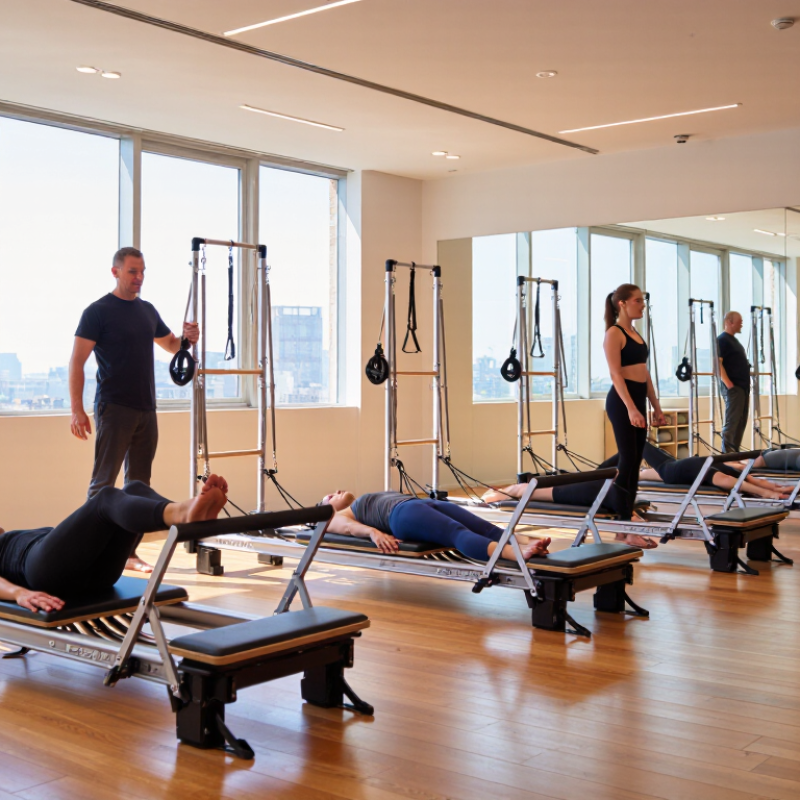
A studio reformer must handle more than a few quiet sessions each week. Estimate peak class size, daily bookings, and the range of client body types before choosing equipment. A heavier frame can feel steadier during standing work, while a compact model may leave more floor space for mat exercises. Measure doorways, storage areas, and the distance between machines. Small layout errors become frustrating once classes fill.
Check the carriage for smooth travel and listen for rattling across its full range. Springs should be easy to identify and change, even when an instructor is moving quickly between clients. Confirm that foot bars, ropes, and headrests offer practical adjustments. Clear markings help staff reset equipment consistently. Simple matters.
Commercial use also calls for durable upholstery, replaceable parts, and a maintenance plan. Ask how often routine checks are recommended, and whether common wear components can be serviced without replacing the whole machine. A wipeable surface matters, but cleaning instructions should suit the material. Test the reformer with different users when possible; a setup that feels comfortable for one person may not fit another. There is no perfect configuration. Leave enough room for safe entry, instruction, and movement, even if that means fitting fewer reformers into the studio.
A commercial Pilates reformer needs to handle more than a single careful workout. In a busy studio, instructors adjust springs, move the carriage, and change exercises between clients. A sturdy frame and smooth-running carriage help keep those transitions calm. Quiet operation matters, too; a loud rattle can interrupt verbal cues in a small room. Small details count.
Adjustable footbars and shoulder rests let instructors fit the equipment to clients of different heights and abilities. Clear spring settings make resistance changes easier to teach, though color coding alone may not be enough for every user. Durable upholstery is practical when several sessions follow one another, since it can be wiped down and checked between classes. Still, “commercial grade” does not guarantee a perfect fit for every studio. Measure doorways, storage space, and the distance between machines before ordering. I have seen floor plans look generous on paper and feel cramped once instructors need room to walk around a moving carriage. A stable platform, accessible adjustment points, and replaceable wear parts can support daily use without making routine maintenance a guessing game.
| Feature | How It Supports Studio Operations | What to Check | Practical Studio Benefit |
|---|---|---|---|
| Durable frame and components | Commercial equipment is intended for repeated use in shared settings. Frame materials and construction affect stability, service life, and maintenance needs. | Review the frame construction, weight rating, warranty terms, and availability of replacement parts. | Helps support reliable daily classes and planned maintenance. |
| Adjustable spring resistance | Different spring combinations provide resistance options for varied exercises and ability levels. Spring color coding, where provided, can make setups easier to identify. | Confirm the included spring types, attachment points, replacement availability, and the manufacturer’s spring inspection guidance. | Gives instructors more flexibility when adapting sessions for clients. |
| Quick-adjust ropes and footbar | Accessible adjustment mechanisms can reduce setup time when equipment is shared between clients or classes. | Test adjustments in person for secure locking, smooth operation, and ease of use for instructors. | Supports smoother transitions while allowing instructors to check each setup. |
| Comfortable carriage and upholstery | A well-supported carriage and durable, cleanable upholstery matter when many clients use the same equipment. | Check carriage movement, padding support, upholstery cleaning instructions, and access to replacement upholstery. | Helps maintain client comfort and a consistent cleaning routine. |
| Stable, smooth carriage movement | The carriage, wheels, and rails influence how smoothly the reformer moves and how it feels during exercise. | Test movement through the full carriage travel and check for unwanted noise, uneven motion, or looseness. | Supports controlled exercise and helps identify maintenance issues early. |
| Space-efficient storage options | Some reformers can be stored vertically or fitted with transport wheels, subject to the model’s design and the studio’s layout. | Verify storage instructions, required clearance, equipment weight, and whether safe movement requires more than one person. | Can help studios plan floor space and cleaning access more effectively. |
| Service and parts support | Springs, ropes, straps, wheels, and upholstery are wear items that may need inspection, adjustment, or replacement over time. | Ask about maintenance documentation, service availability, parts lead times, and warranty coverage. | Makes it easier to plan upkeep and respond to equipment issues. |
| Accessories and compatibility | Compatible boxes, jumpboards, and other accessories can expand exercise options, but compatibility varies by reformer model. | Confirm approved accessories, attachment methods, storage needs, and any relevant safety instructions. | Helps studios select equipment that suits their class formats and programming. |
Equipment specifications and maintenance requirements vary by model. Review the manufacturer’s documentation and follow applicable inspection and safety guidance.
Commercial Pilates reformers can make a studio feel more adaptable from the moment clients adjust the footbar, straps, and springs. These small choices help instructors offer lighter resistance for beginners and greater challenge for experienced movers within one class. The moving carriage also gives clients clear feedback: rushed movements feel less controlled, while steady pressure through the feet can improve body awareness. Details matter. Still, equipment alone does not create a welcoming experience; instructors need time to explain settings and check each client’s comfort.
Class versatility is a practical advantage. A reformer can support footwork, standing balance, and seated upper-body exercises, allowing instructors to vary positions without changing stations. ClassPass’s 2024 Look Back Report named Pilates the most-booked workout globally for the second consecutive year, with bookings rising 84% year over year. That platform data reflects its own bookings, not the entire fitness market, but it signals strong client interest. More demand can mean fuller classes, so spacing, safe entry and exit, and clear spring instructions deserve attention. A less obvious point: too many exercise variations can confuse newcomers. A consistent setup, with a few thoughtful progressions, often serves clients better than constant novelty.
A commercial Pilates reformer earns its place through steady use, not polished showroom looks. In a busy studio, the carriage may slide dozens of times each day, while springs, ropes, and pulleys face repeated tension. A rigid frame, replaceable parts, and clear load ratings matter. So does a quiet ride. Clients notice a sticking carriage before they notice the frame.
Maintenance affects the real cost of ownership. The U.S. Department of Energy’s Operations and Maintenance Best Practices Guide reports that preventive maintenance can cost 12–18% less than reactive maintenance across facility operations.
Wipe rails after class, inspect spring hooks and rope wear, and record repairs. Simple habits. Still, a checklist can be forgotten on a packed day.
Long-term value depends on parts access and repairability, not just the purchase price. Ask how quickly common components can be replaced and whether staff can perform routine adjustments safely. A lower-cost unit may become expensive if it sits unused while a part is sourced. I would also leave room for honest uncertainty: usage differs between studios, so no single lifespan estimate fits every reformer. Keep maintenance logs; they reveal what your schedule actually demands.
A commercial Pilates reformer should fit your studio’s teaching style, class size, and available space. Before choosing one, measure the room with the carriage fully extended. Leave enough clearance for instructors to move safely around the machine. Then consider how often it will be used. A busy studio needs a stable frame, smooth carriage travel, and upholstery that can handle frequent cleaning. Check the resistance options, too. Springs should feel consistent and be easy to change between clients. Small details matter.
Tips: Ask to test the reformer with different body sizes and exercises. Listen for rattling, and check whether the footbar and straps adjust quickly. Confirm that replacement parts and service support are available. A low purchase price can be tempting, but downtime costs space and class time.
Comfort is personal, so involve instructors in the decision. Have them try basic footwork, long stretches, and transitions from standing to kneeling. Watch whether adjustments interrupt the flow of a session. There may not be one perfect model for every studio. Even careful testing can miss how a machine feels after months of daily use. Keep that uncertainty in mind, and choose equipment with clear maintenance guidance and a practical warranty.
Measure doorways, storage areas, and the space between machines. A full class needs room to move.
A heavier frame can feel steadier during standing exercises. Test it with movement, not just a quick glance.
Move the carriage through its full range and listen for rattling. Smooth travel helps keep class transitions calm.
Check the footbar, shoulder rests, ropes, and headrest. Clear settings help instructors reset equipment consistently.
Not always. Clear markings and easy-to-change springs can help staff adjust resistance, especially between busy sessions.
Choose durable upholstery that can be wiped down and checked between classes. Follow cleaning instructions for its material.
Ask how often routine checks are recommended and whether worn parts can be replaced. Small parts matter.
Leave space for safe entry, instruction, and movement, even if that means fewer machines. I may be too focused on class capacity; a crowded layout can feel wrong.
Commercial Pilates Reformers are designed to meet the demands of busy studios, where equipment must support frequent use, varied class formats, and different client needs. When choosing reformers, studio owners should consider available floor space, class size, instructor workflow, and the range of exercises they plan to offer. Features such as smooth carriage movement, adjustable resistance, secure footbars, and flexible settings can help instructors lead sessions efficiently while giving clients a comfortable, adaptable workout.
Durability and ease of maintenance also matter, since reliable equipment can reduce interruptions and support long-term value. Consider construction quality, the simplicity of routine care, and whether replacement parts are accessible. The right reformer should balance functionality, comfort, versatility, and budget while fitting the studio’s teaching style. A thoughtful selection can support professional operations and create a more welcoming experience for both instructors and clients.